

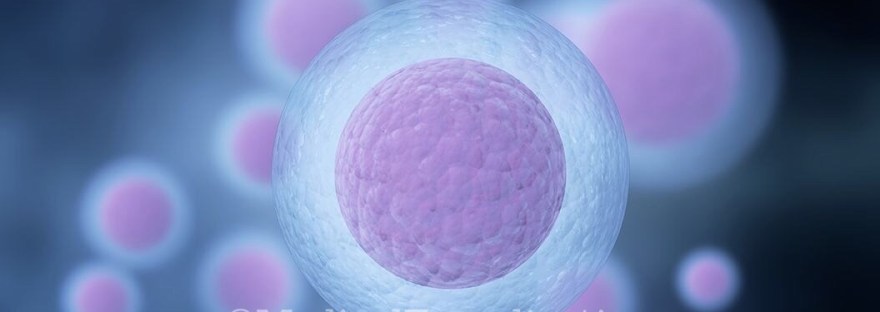
I’m getting a lots of questions about it and would love to share some insights with you. During IVF, my patients hear such term as “vitrification”, but, in most cases, they have no idea what it actually means. And yet, exactly with the help of vitrification one can significantly increase the chances of successful pregnancy, simplify the scheme of infertility treatment and finally welcome long-awaited healthy baby.
The question of preserving living and functional cells outside the body is of vital importance in modern medicine and affects many of its area, but it is most pressing during in vitro fertilization, when cryopreservation becomes of special necessity for not only individual cells – gametes, but also for the whole organism in the preimplantation phase development – the embryo. With what purpose? First of all, this procedure allows patients with a low ovarian reserve to save embryos, and to save eggs if, due to personal reasons, woman does not plan her pregnancy in the upcoming years. Secondly, cryocycle lowers the chances for having a severe IVF complication – ovarian hyperstimulation syndrome, and an onset of multiple pregnancy. Thirdly, the need for oocytes and embryos vitrification emerges after the first failed transfer. In order to avoid repeated selection, vitrified biomaterial is used.
The most promising and rapidly developing area in cryoembryology is vitrification, which is gradually replacing the previous traditional method of slow freezing. Basically, vitrification consists of appliance of high cryoprotectant concentrations that further help avoiding the formation of ice crystals – the main cause of intracellular damage that happened with the previous method of embryo freezing. Germ cells can be preserved for a much longer time without reducing their viability – this is the main advantage of this new technique, compared to traditional cryopreservation. In addition, this method practically reduces to zero any probability of cells damage during the freezing process. At the same time, the effectiveness of IVF remains the same or becomes higher: after warming up, more than 95% of embryos and oocytes retain their viability and can be used in IVF program.
Inna Moroz, MD


 Infertility Care | IVF | Surrogacy