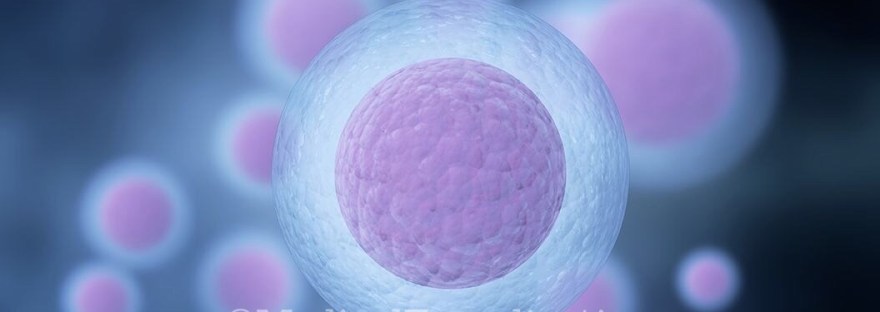
Fertility Treatment Is Not a Magic But Can Dramatically Improve Your Chances When Started In Time.

So, When Is The Good Time?

Speaking of fertility treatments – sooner the better, don’t delay seeking help thinking that fertility treatments will make up for the lost time. Unfortunately, fertility treatments are less successful with age.

One study looked at conception rates for women who start trying to conceive at age 30, 35, and 40, and then whether fertility treatments could make up for the pregnancies lost from delaying childbearing. They found that fertility treatments could only make up for half of the successful pregnancies lost when delaying conception until age 35 instead of starting at age 30, and only make up for 30 percent of the healthy pregnancies lost when women delayed starting at age 40 instead of at age 35. 

My practice confirms pretty much the same alarming numbers. So, if you made your mind about having a baby please hurry up! Being pro-active is a good strategy.

Inna Moroz, MD

What are uterine fibroids?

Fibroids are benign tumors made of smooth muscle cells and fibrous connective tissue. They develop in the uterus. It is estimated that 70-80% of women will develop fibroids in their lifetime—however, not everyone will develop symptoms or require treatment. The most important characteristic of fibroids is that they are not cancer, and they do not have the potential to become cancer. Studies show us that fibroids grow at different rates, even in the same woman, and can range from the size of a pea to the size of a watermelon.

What causes uterine fibroid tumors?

The cause of uterine fibroids is not known, although studies demonstrate there may be a genetic component. There is no food or external exposure that a woman can have that can cause her to develop fibroids.

Who is at risk for uterine fibroids?

As women age their likelihood for developing fibroids increases. Studies have demonstrated that women with a family history are more likely to develop fibroids. Fibroids are also more common in African American women. Obesity has also been linked to an increase risk of fibroids. There are no foods or diets that are known to increase a woman’s risk of developing fibroids.

What are the symptoms of uterine fibroids?

Most women with fibroids will experience no symptoms at all. However, for many women large or numerous fibroids can cause the following symptoms:

>> Heavy or prolonged periods
>> Bleeding between periods
>> Pelvic pain and pressure
>> Frequent urination
>> Low back pain
>> Pain during intercourse
>> Difficulty getting pregnant

How are uterine fibroids diagnosed?

Fibroids are most often found during the physical exam. Your healthcare provider may feel a firm, irregular pelvic mass during an abdominal or pelvic exam.

Other tests may include:

– Transvaginal ultrasound. This is an ultrasound performed inside the vagina to better assess if you have fibroids. It can help establish the diagnosis as the first imaging test.
MRI. This imaging test does not use radiation, and allows your provider to gain a road map as to the size, number, and location of each of your fibroids. It is often recommended before proceeding with some surgical options.
Saline Sonohysteragram. This is a vaginal ultrasound performed in the office while putting fluid (saline) into the uterus. By expanding the uterine cavity with this fluid your provider may be able to see if you have fibroids growing within the uterine cavity.
Hysteroscopy. This is a surgical procedure performed to gain direct visualization of the uterine cavity. It does not visualize or treat fibroids outside the cavity.

How are uterine fibroids treated?

Since most fibroids stop growing or may even shrink as you approach menopause, your healthcare provider may simply suggest “watchful waiting.” With this approach, your healthcare provider monitors your symptoms carefully to be sure that there are no significant changes.

If your fibroids are large or cause significant symptoms, treatment may be an option. Treatment will be discussed with you by your healthcare provider based on your age, fertility goals, the number and size of your fibroids, any previous fibroids treatments, other health conditions.

What are the complications of uterine fibroids?

It is uncommon for fibroids to cause severe health consequences. However, women can have heavy bleeding which can lead to dangerous anemia. Rarely, large fibroids can press on the bladder and ureter, leading to kidney damage. Other complications include infertility and recurrent pregnancy loss.

Key points about uterine fibroids:
– Uterine fibroids are the most common tumor of the reproductive tract.
– Fibroids are not cancer.
– They do not increase a woman’s risk for uterine cancer, and they do not become cancer. 
– Women who are nearing menopause are at the greatest risk for fibroids. Fibroids are most often found during a routine pelvic exam.
– Symptoms may include heavy and prolonger periods, bleeding between periods and pelvic pain.
– Fibroids are most often found during a routine pelvic exam.
– There are a variety of treatment options available, which may include watchful waiting, medicines or surgery.


Surrogacy

Ukraine is one of the few countries in the world whose legislation is favorable to surrogacy 🇺🇦🥰🧚🏻‍♀️🤰🐣

Benefits of surrogate motherhood programs with us:

• The all-inclusive integrated package that covers the whole range of services – from a thorough selection and examination of a surrogate mother and a donor to nursing a newborn;
• Very reasonable cost of all services;
• Full support of the personal assistant throughout all the steps of the program including all the paperwork;
• No waiting list;
• Absolute confidentiality.

I will help you to realize your dream of having a baby – you just need to make the first step!

Check our menu “Why us?” for more details

Inna Moroz, MD

What is a cryocycle?

Cryocycle means usage of frozen embryos in repeated treatment cycles. In a treatment cycle like this, the multifollicular ovarian stimulation is not performed, and this leads to alower hormonal influence on the organism of the future mother. This significantly increases the chances for pregnancy onset.

Cryocycle is recommended in the following cases:
• after failed IVF attempt;
• if the couple already has plans for the second and third child while planning their first IVF;
• if there is a cancer condition and the upcoming treatment may affect further ability to reproduction;
• in the presence of diabetes mellitus or azoospermia in men.

The appliance of cryocycle has a number of advantages for the patient, namely:
• an opportunity to postpone the implantation of the embryo into the uterine cavity for the time needed for woman’s body to restore after hormonal hyperstimulation. By postponing the embryo transfer for a month or more, doctors are able to stabilize the hormones, therefore the probability of successful IVF program increases significantly;
• an opportunity to avoid one of the most dangerous complications of IVF program – multiple pregnancy. The development of multiple pregnancy has great risks for the successful pregnancy flow and the birth of healthy children;
• an opportunity to perform genetic diagnosis of the embryo using NGS method, which makes possible to identify embryos bearing chromosomal pathology and thus prevent failed IVF due to the natural ability of the uterus to reject an unhealthy embryo;
• reduction of financial costs of patients if the first IVF attempt failed – cryocycle allows avoiding repeated ovulation stimulation and using.

Inna Moroz, MD

Vitrification: the essence of the method & its advantages

I’m getting a lots of questions about it and would love to share some insights with you. During IVF, my patients hear such term as “vitrification”, but, in most cases, they have no idea what it actually means. And yet, exactly with the help of vitrification one can significantly increase the chances of successful pregnancy, simplify the scheme of infertility treatment and finally welcome long-awaited healthy baby.

The question of preserving living and functional cells outside the body is of vital importance in modern medicine and affects many of its area, but it is most pressing during in vitro fertilization, when cryopreservation becomes of special necessity for not only individual cells – gametes, but also for the whole organism in the preimplantation phase development – the embryo. With what purpose? First of all, this procedure allows patients with a low ovarian reserve to save embryos, and to save eggs if, due to personal reasons, woman does not plan her pregnancy in the upcoming years. Secondly, cryocycle lowers the chances for having a severe IVF complication – ovarian hyperstimulation syndrome, and an onset of multiple pregnancy. Thirdly, the need for oocytes and embryos vitrification emerges after the first failed transfer. In order to avoid repeated selection, vitrified biomaterial is used.

The most promising and rapidly developing area in cryoembryology is vitrification, which is gradually replacing the previous traditional method of slow freezing. Basically, vitrification consists of appliance of high cryoprotectant concentrations that further help avoiding the formation of ice crystals – the main cause of intracellular damage that happened with the previous method of embryo freezing. Germ cells can be preserved for a much longer time without reducing their viability – this is the main advantage of this new technique, compared to traditional cryopreservation. In addition, this method practically reduces to zero any probability of cells damage during the freezing process. At the same time, the effectiveness of IVF remains the same or becomes higher: after warming up, more than 95% of embryos and oocytes retain their viability and can be used in IVF program.

Inna Moroz, MD

Infertility Treatment For Men

Altering lifestyle factors. Improving lifestyle and behavioral factors can improve chances for pregnancy, including discontinuing select medications, reducing/eliminating harmful substances, improving frequency and timing of intercourse, establishing regular exercise, and optimizing other factors that may otherwise impair fertility.

Medications. Certain medications may improve a man’s sperm count and the likelihood of achieving a successful pregnancy. These medicines may increase testicular function, including sperm production and quality.

Surgery. In select conditions, surgery may be able to reverse a sperm blockage and restore fertility. In other cases, surgically repairing a varicocele may improve overall chances for pregnancy.

Sperm retrieval. These techniques obtain sperm when ejaculation is a problem or when no sperm are present in the ejaculated fluid. They may also be used in cases where assisted reproductive techniques are planned and sperm counts are low or otherwise abnormal.

Inna Moroz, MD